
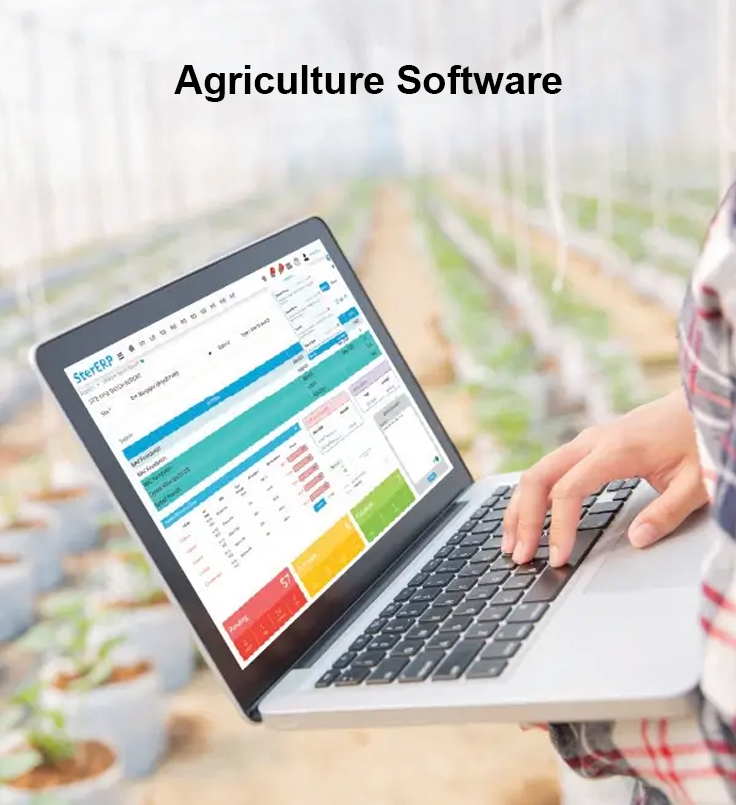
Digital Solutions for Agriculture, FPOs and Farmer Producer Companies
Agriculture is becoming increasingly organized, data-driven and market-oriented. Modern Farmer Producer Organizations (FPOs), Farmer Producer Companies (FPCs), agricultural cooperatives and agribusinesses have to manage activities that extend far beyond farming.
Farmer onboarding, member records, crop information, procurement, collection centres, inventory, warehouse operations, sales, buyers, payments and accounting are all interconnected. When these activities are handled through paper registers, spreadsheets and disconnected applications, maintaining accurate information and monitoring the complete business cycle can become difficult.
Tamtech Technology provides technology solutions designed for the practical requirements of agriculture businesses and farmer organizations. Our solutions help bring important operational activities together so that FPO management can work with better visibility, organized records and structured digital processes.
FPO Management Software for Growing Farmer Organizations
An FPO operates as a collective business organization. As membership and transaction volumes increase, management needs a reliable way to coordinate farmers, procurement, produce, buyers, payments and financial activities.
FPO Management Software provides a centralized digital environment for managing these activities. It can help maintain farmer profiles, member information, procurement transactions, inventory records, sales information, payment details and management reports.
Instead of repeatedly collecting information from different registers or spreadsheets, authorized users can access organized records according to their responsibilities.
For FPOs operating across multiple villages, collection points or locations, centralized information can also improve coordination between field teams and management.
Farmer Producer Company Software for Complete Business Management
A Farmer Producer Company needs technology that understands both its farmer network and its commercial operations.
Farmer Producer Company Software can support the complete operational cycle—from farmer registration and membership to procurement, inventory, sales and financial records.
The system can help organizations maintain a structured database of farmers and members while connecting their transactions with procurement and business activities. This creates a more complete picture of how agricultural produce moves through the organization.
For growing FPCs, such connectivity can help reduce duplicate data entry, improve record accuracy and make operational information easier to monitor.
Farmer Management Software and Member Management
Farmers are at the centre of every FPO. Maintaining accurate information about each member is therefore essential.
Farmer Management Software can help maintain farmer profiles, contact information, village details, membership information, crop details and transaction history. Organizations can create a centralized farmer database rather than maintaining separate records across departments.
Alongside farmer information, Member Management can help FPOs organize membership-related records, shareholder information, membership status and other relevant details.
A structured member database can make it easier for management and field teams to identify farmers, review their participation and maintain organized records throughout the relationship.
Agriculture Management Software for Connected Operations
Agricultural businesses often deal with multiple commodities, farming locations, production cycles and field activities.
Agriculture Management Software can help organize operational information related to crops, farmers, production, collection, procurement and agricultural business activities.
Depending on the organization's workflow, digital records can be used to monitor crop-related information, farmer activities and produce movement.
The objective is to create a connected information environment where agricultural operations can be monitored systematically instead of relying entirely on manual documentation.
Procurement Management for Agricultural Produce
Procurement is one of the most important commercial activities for many FPOs.
An organized Procurement Management system can record farmer-wise purchases, commodity details, quantities, rates, grades, collection dates and transaction values.
This can provide better visibility into how much produce has been collected, from which farmers and at what transaction value.
Procurement records can also be connected with inventory and sales information, allowing management to follow the movement of produce from collection to storage and eventually to the buyer.
For FPOs dealing with multiple crops or commodities, systematic procurement records can significantly simplify operational tracking.
Inventory Management and Warehouse Operations
After procurement, agricultural produce needs to be stored, transferred, processed or sold. Accurate stock information is therefore critical.
Inventory Management can help organizations maintain information about available stock, commodity types, quantities, batches, grades and warehouse or storage locations.
The system can help track inward and outward movement, stock transfers and sales-related inventory transactions.
For organizations managing multiple collection centres or warehouses, centralized inventory information can provide management with better visibility over where produce is located and how much stock is available.
Sales, Buyers and Market Linkage
Producing and collecting agricultural commodities is only one part of the business. FPOs also need to connect their produce with appropriate markets and buyers.
A digital system can maintain buyer information, sales transactions, commodity details, quantities, rates and payment records.
Connecting procurement, inventory and sales information can help management understand the commercial journey of agricultural produce—from farmer collection to final sale.
This can also support better transaction tracking and simplify reconciliation between procurement and sales records.
FPO Accounting and Financial Control
Financial transparency is essential for professionally managed FPOs and agricultural businesses.
FPO Accounting can help organizations maintain financial records associated with purchases, sales, farmer payments, expenses, income and other business transactions.
When operational transactions are connected with accounting information, organizations can reduce repeated data entry and maintain a more consistent financial record.
Management can also use structured reports to review collections, payments, expenses and business transactions.
The objective is to provide an organized financial foundation that supports both daily accounting activities and management decision-making.
Field Operations and Farmer Connectivity
Many FPOs depend on field officers and representatives who work directly with farmers and local communities.
Digital field operations can help organizations maintain farmer visits, field activities, crop-related information, procurement activities and other field-level updates.
This creates a communication bridge between the organization's management system and its field network.
Instead of relying exclusively on paper-based field records, organizations can maintain more structured information that can be reviewed by authorized management users.
Agri ERP for Integrated Agricultural Business Management
As an agricultural organization grows, using separate systems for farmers, procurement, inventory, sales and accounting can create information gaps.
An Agri ERP approach brings these functions into a more integrated business environment.